From Kansai Airport to the city: the calm arrival plan
The first transfer sets the tone for the whole visit. Choose the station that matches your accommodation, keep one backup route in mind and let the airport signs do most of the work.
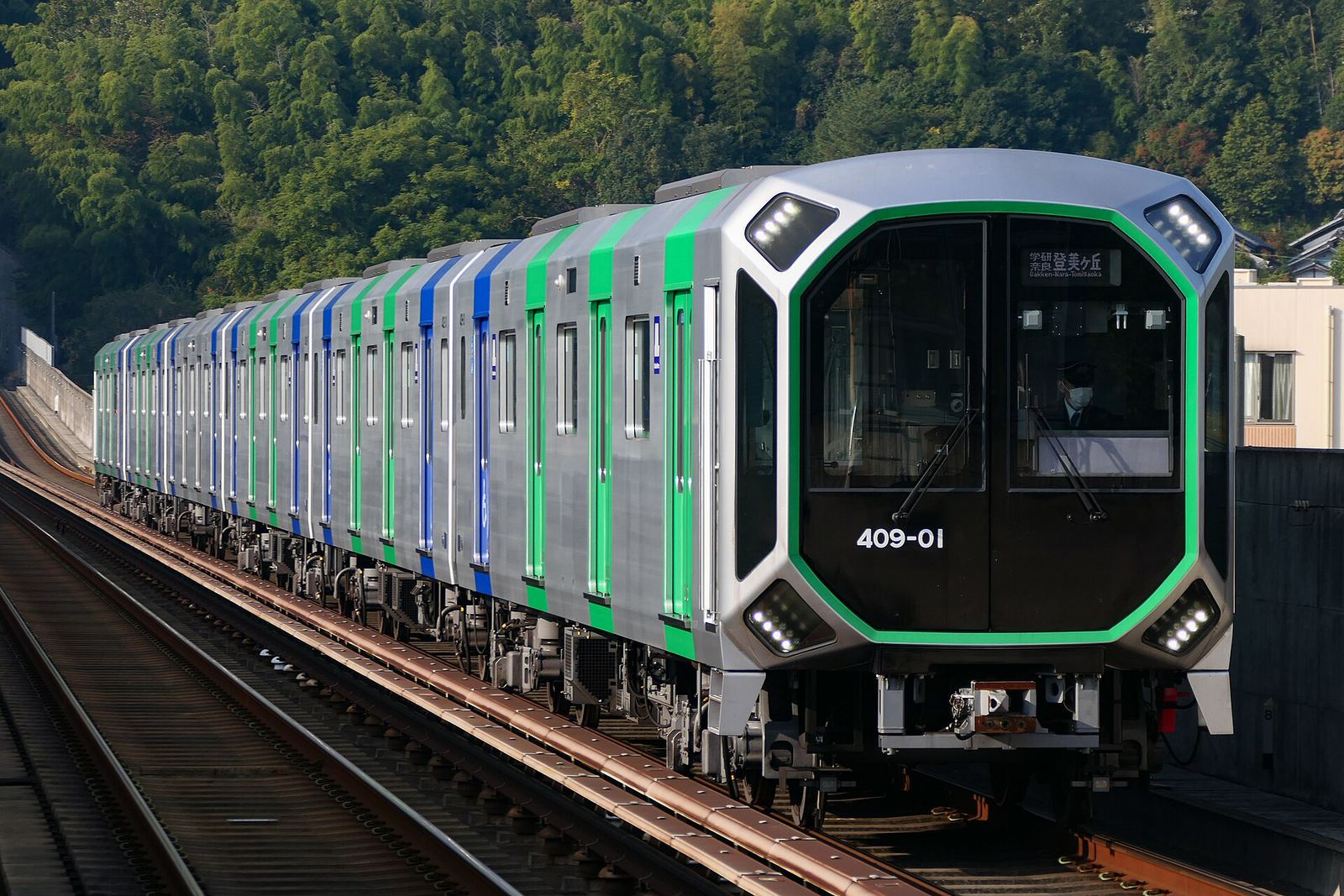
First decide: Namba or Umeda?
Most short-stay visitors are effectively choosing between two central hubs. Namba is convenient for the southern city centre, Dotonbori, Kuromon and late-night food. Umeda is a strong choice for the north side, large department stores and onward connections toward Kyoto or the Shinkansen network.
Look at your hotel address, not just its neighbourhood label. Osaka has several stations with similar names and large complexes above ground. Save the exact station exit and a nearby landmark in your notes before leaving the airport.
Option A: the direct rail habit
For Namba, look for the airport rail services signed for the southern city centre. Some trains are fully reserved, some are ordinary commuter services and some have both reserved and unreserved sections. The fastest option is not always the best option after a long flight; a slightly slower train with a clear destination can be a better first decision.
For Umeda, follow signs for services heading toward Osaka Station or a nearby interchange, then allow time for the final walk through the station complex. Check the platform display rather than relying on a remembered colour or line name. Services and platform arrangements can change, especially during construction or holiday periods.
- Buy or top up an IC card if you do not already have one.
- Keep your ticket and platform number visible until you are through the final gates.
- Use the station map to choose an exit before you go underground.
Option B: when a reserved seat earns its keep
A reserved seat can be worth the extra planning when you have large luggage, a late arrival or a child who needs a predictable break. It is less important when you are travelling light and your hotel is close to an ordinary service. The practical choice is the one that removes a decision, not the one that sounds most premium.
If you miss the intended train, do not panic. Re-check the next departure, confirm whether your ticket is tied to a specific service and ask a station staff member if the signs are unclear. Japanese stations are busy, but help is usually easier to find when you show the destination written down.
The first city ride
Once you are checked in, keep your first local journey deliberately small. Walk to a convenience store, find the nearest metro entrance and take one short ride only if it makes the next meal easier. This gives you a chance to learn the station layout before you are tired and carrying dinner.
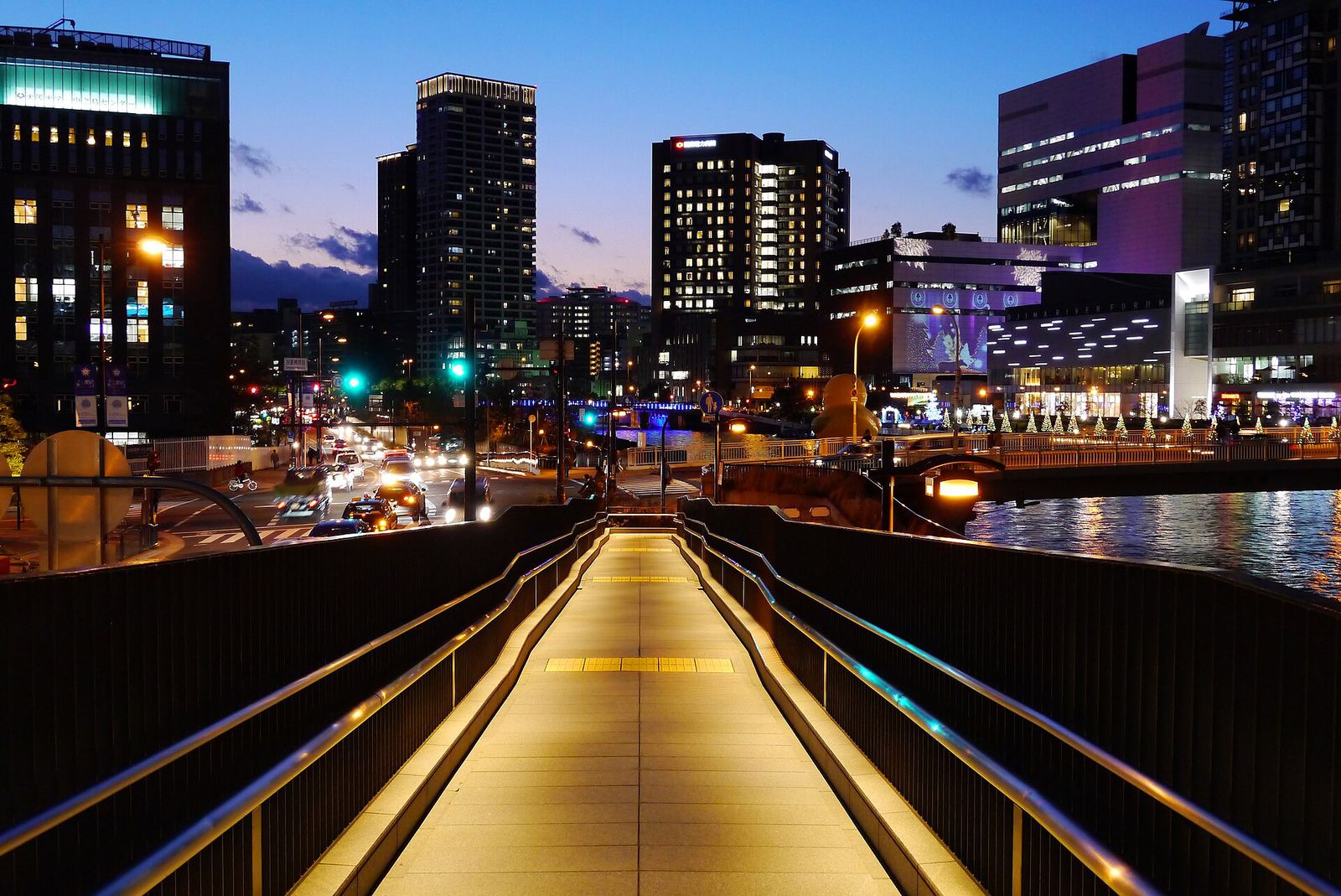
Save these four details offline
- Your hotel name and full address, in Japanese and English if possible.
- The exact arrival station and the exit closest to your accommodation.
- The last train or a taxi fallback for the evening you plan to stay out.
- A screenshot of the route from the station to your door.
Small arrival rule: if you are unsure, choose the route with fewer transfers and a clear final station. You can optimise tomorrow, after breakfast.
For a pocket-sized reminder, download the transit cheat sheet before you leave the airport.