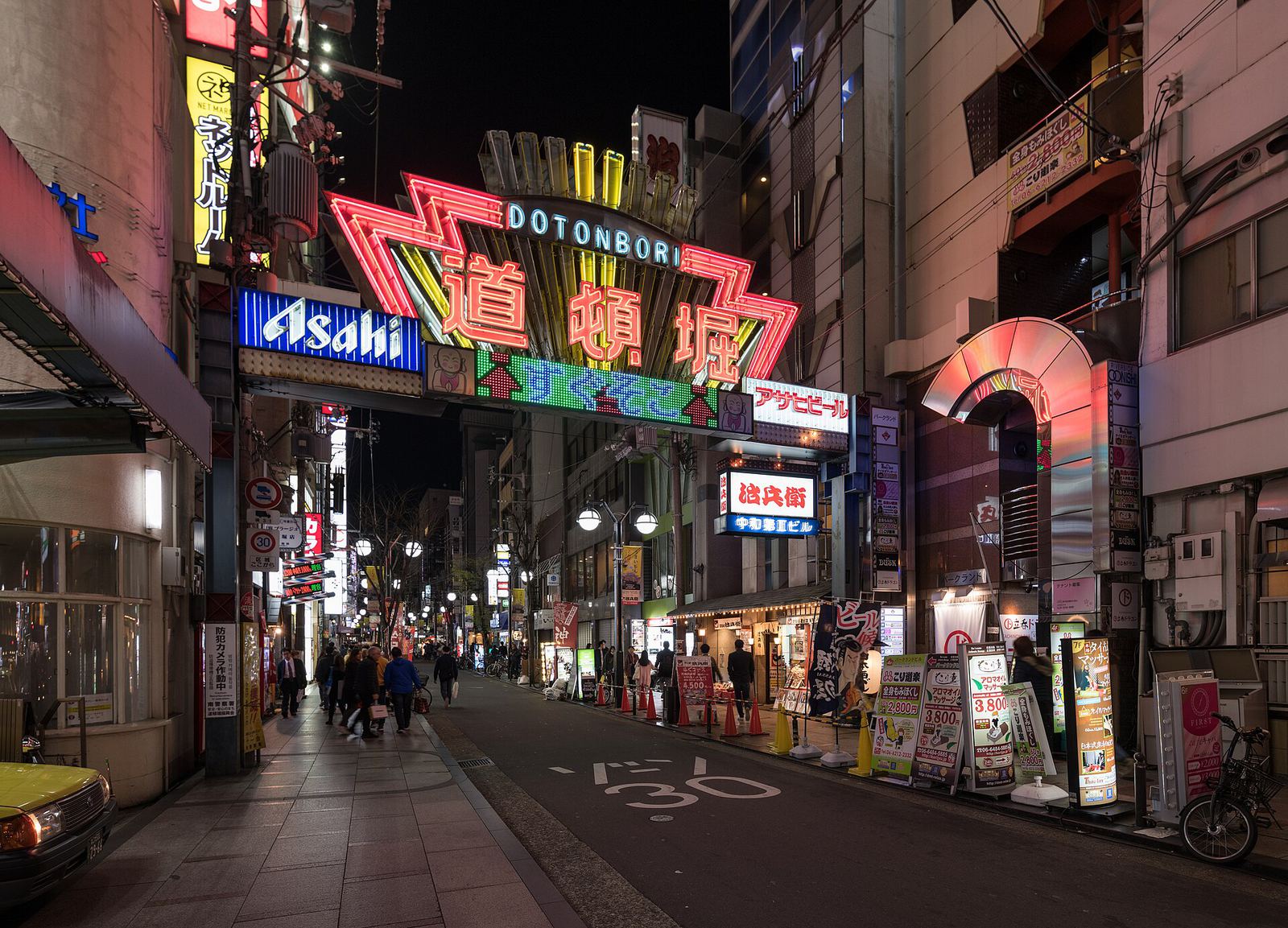
 Namba after dark
Follow the lights, not a checklist.
Dotonbori is loud by design. The calmer way in is to walk one block away from the canal, share one hot plate and keep your evening open.
Read the neighbourhood noteIndependent guide · updated 31 Aug 2026
A lively city is easier to love when you leave room for small discoveries. Start with a simple route, then follow the smell of grilled batter, the sound of a river and the next quiet lane.
Choose your pace
Osaka rewards curiosity more than optimisation. Use these short notes to choose a starting mood, then let the neighbourhood do the rest.
Namba after dark
Dotonbori is loud by design. The calmer way in is to walk one block away from the canal, share one hot plate and keep your evening open.
Read the neighbourhood note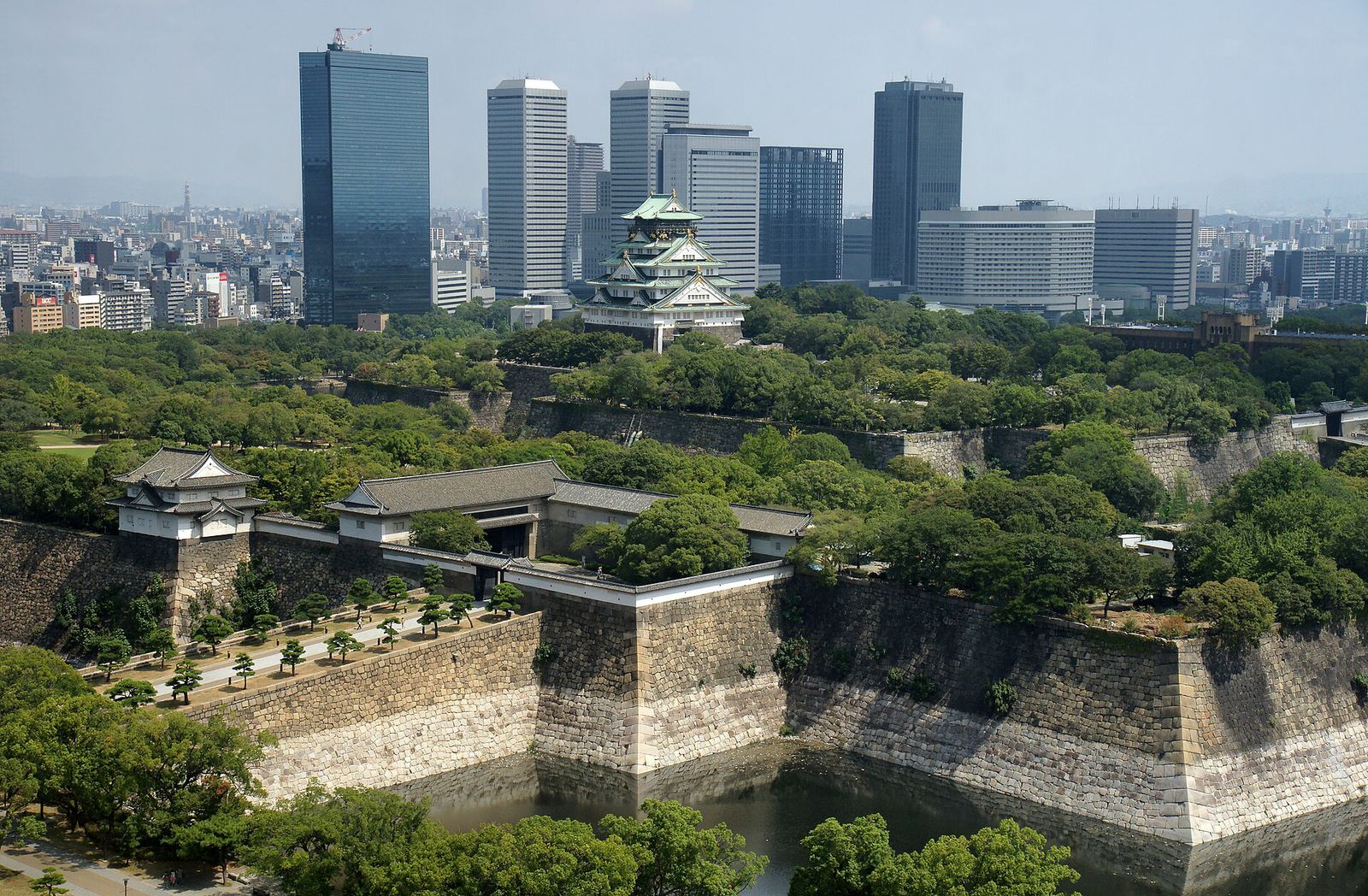 Castle mornings
The park opens the city up before the crowds arrive. Bring water, walk the outer moat and save the museum for a cooler hour.
Build your first morning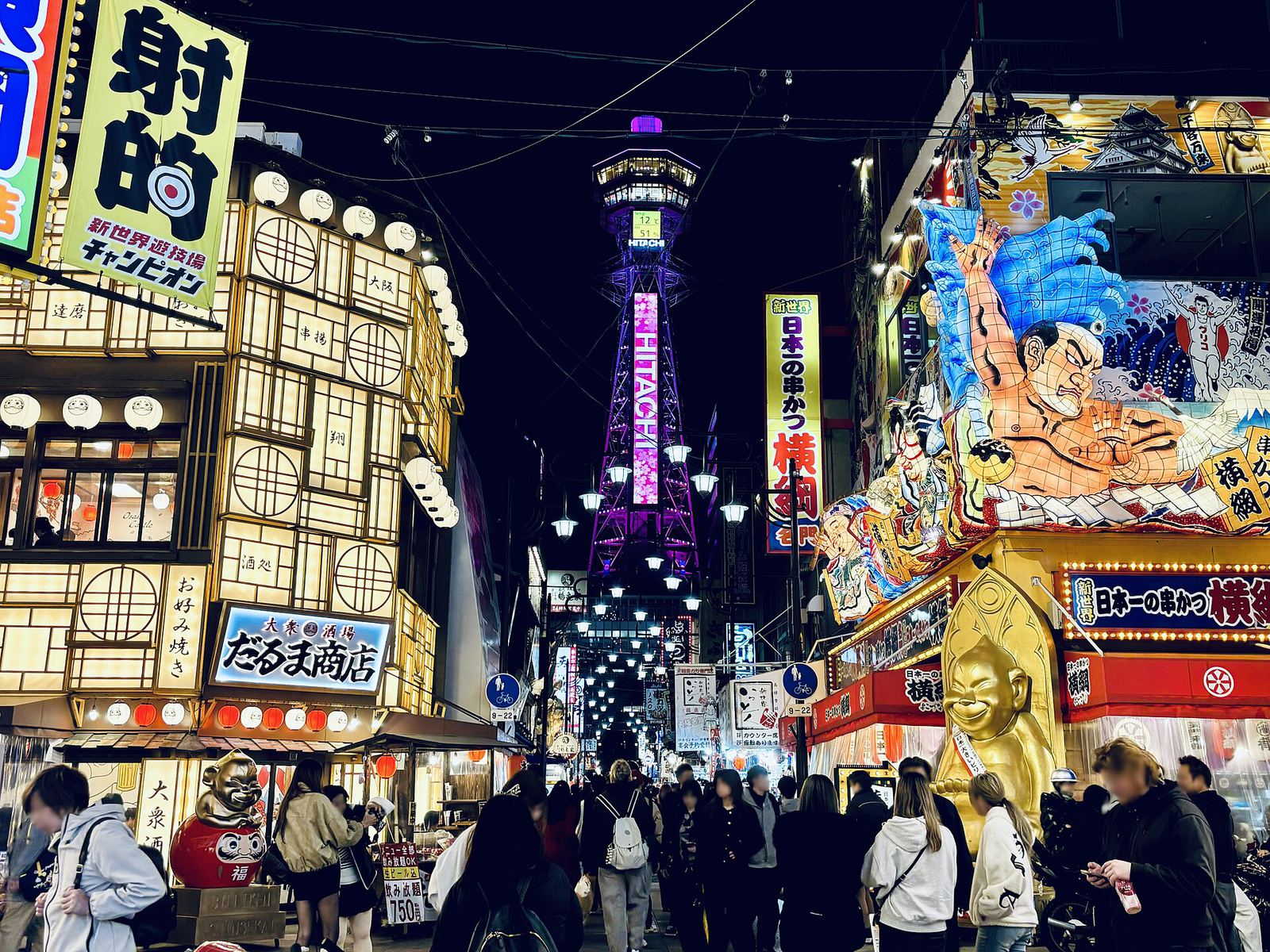 Shinsekai lanes
Neon, narrow streets and kushikatsu counters make this a good place to wander without a reservation or a perfect plan.
Take the slower route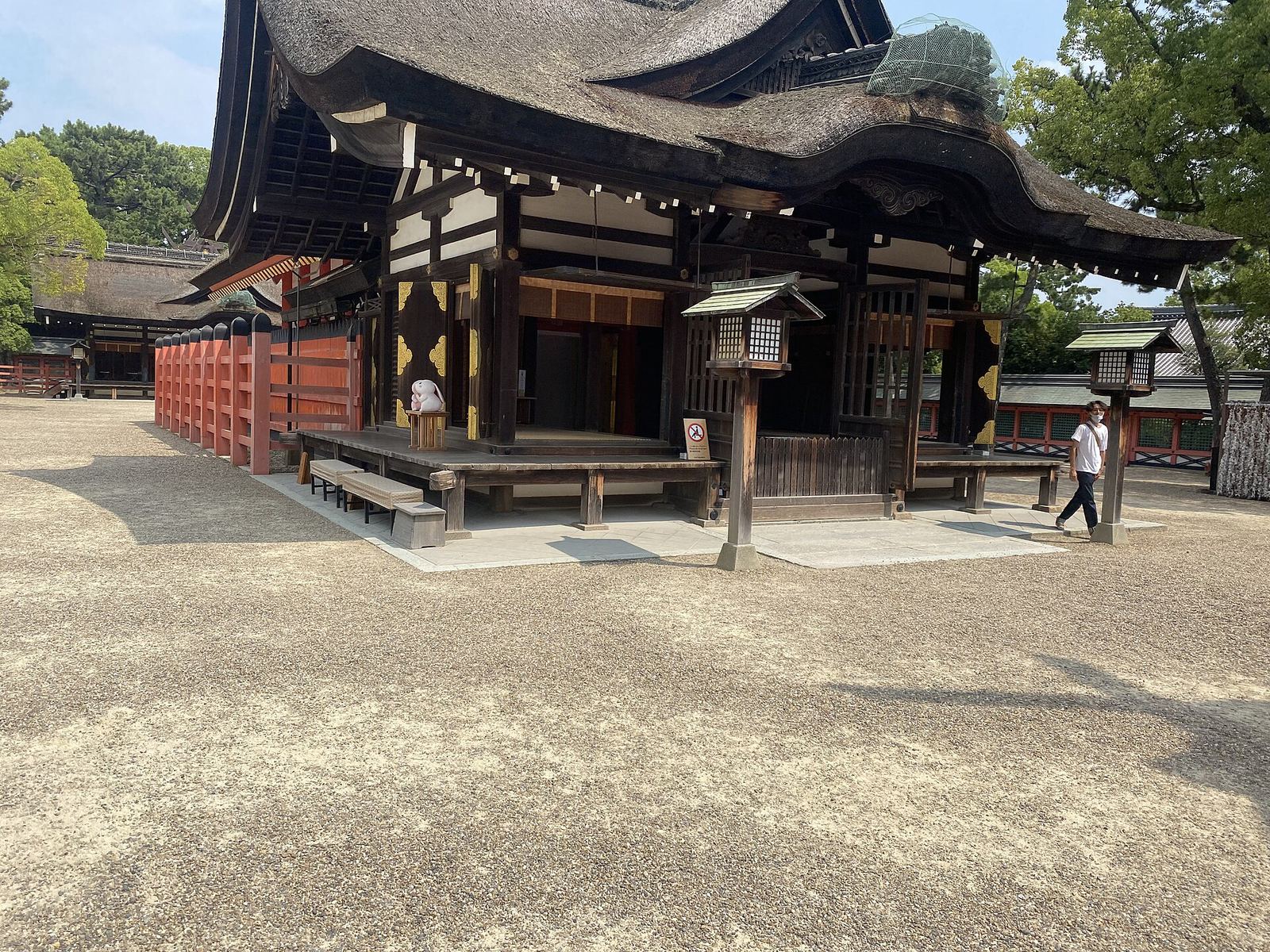 A quiet detour
Sumiyoshi Taisha is an easy train ride from the centre and gives a busy itinerary a useful pause: shade, space and a different rhythm.
Find a quiet detourStarter route
A first visit works best with one anchor each morning and plenty of space between stops. Shift the times to suit your sleep and the weather.
Day one
Walk the outer moat first, then choose the museum or the gardens.
Cross the city slowly with a coffee and a short break by the water.
Light a lantern-lit evening with one small alley, then continue toward Dotonbori.
Day one: 09:00 Osaka Castle Park; 13:00 Nakanoshima riverside; 18:00 Hozenji Yokocho and Dotonbori.
Day two
Go early for a quieter walk and a breakfast-sized taste rather than a feast.
Take the back streets toward Tsutenkaku and stop where the menu looks busy.
Finish above the rooftops and watch the city turn its lights on.
Day two: 08:30 Kuromon Market; 12:30 Shinsekai and Tsutenkaku; 17:30 Umeda Sky Building.
Keep one flex block. Rain, jet lag and a great lunch are all valid reasons to skip a stop. The city is compact enough to return to.
Neighbourhood atlas
Each area has a different volume. Pick the one that matches your energy, then connect the rest by metro.
 01
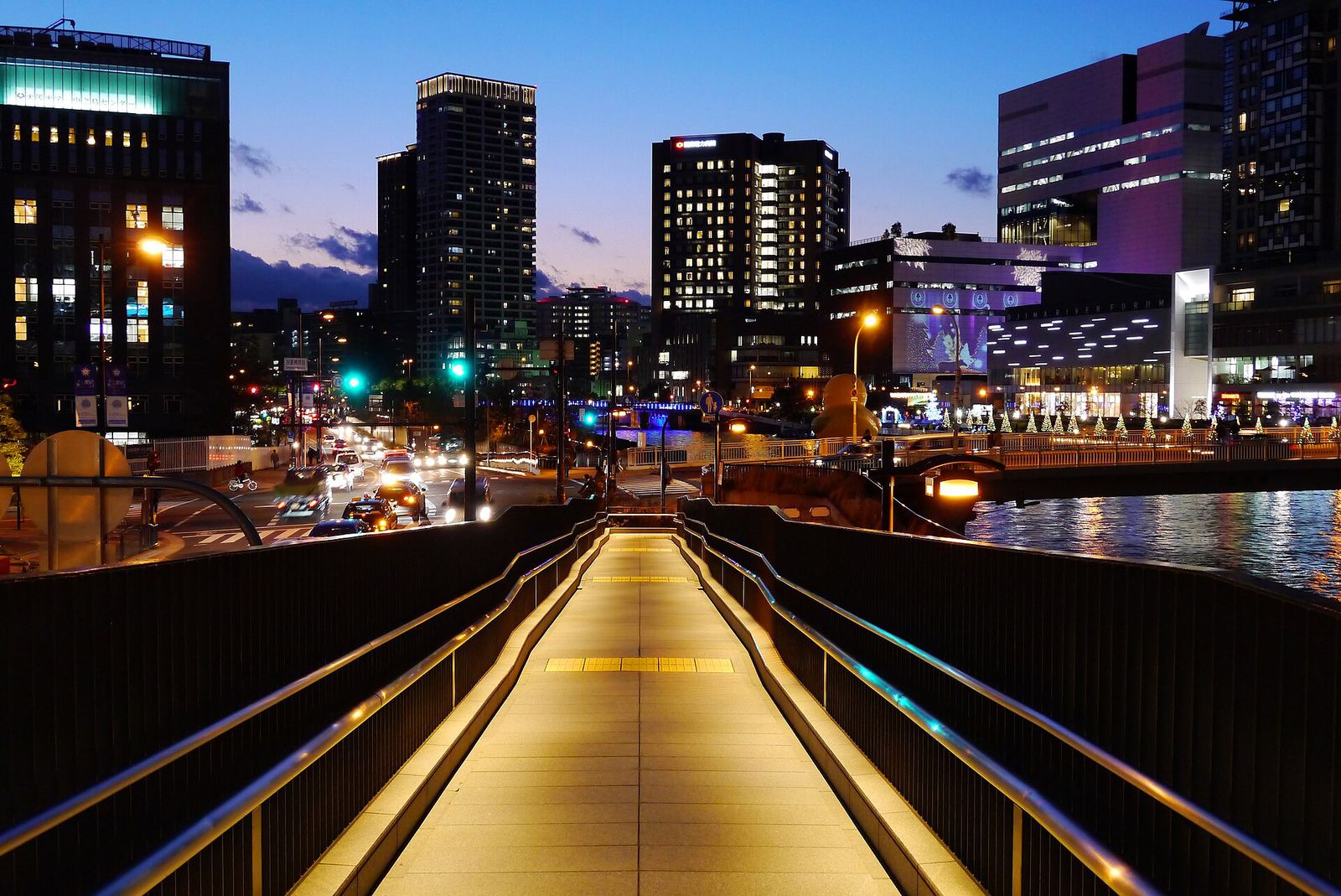
01Water & architecture
Quiet paths between two rivers, good museums and a natural reset after a busy morning.
 02
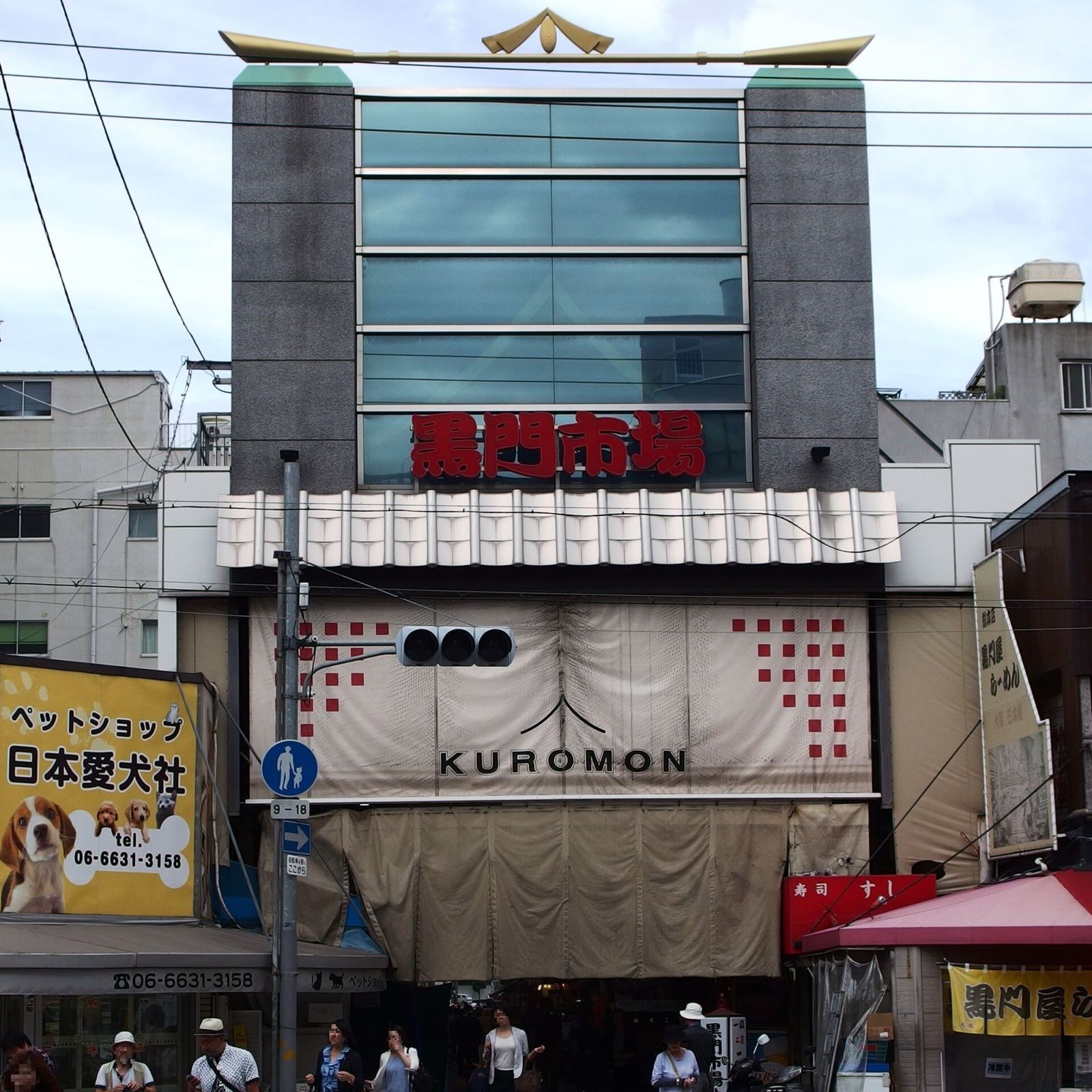
02Markets & small plates
A useful place to learn the city through texture: fruit, grills, kitchen shops and quick conversations.
 03
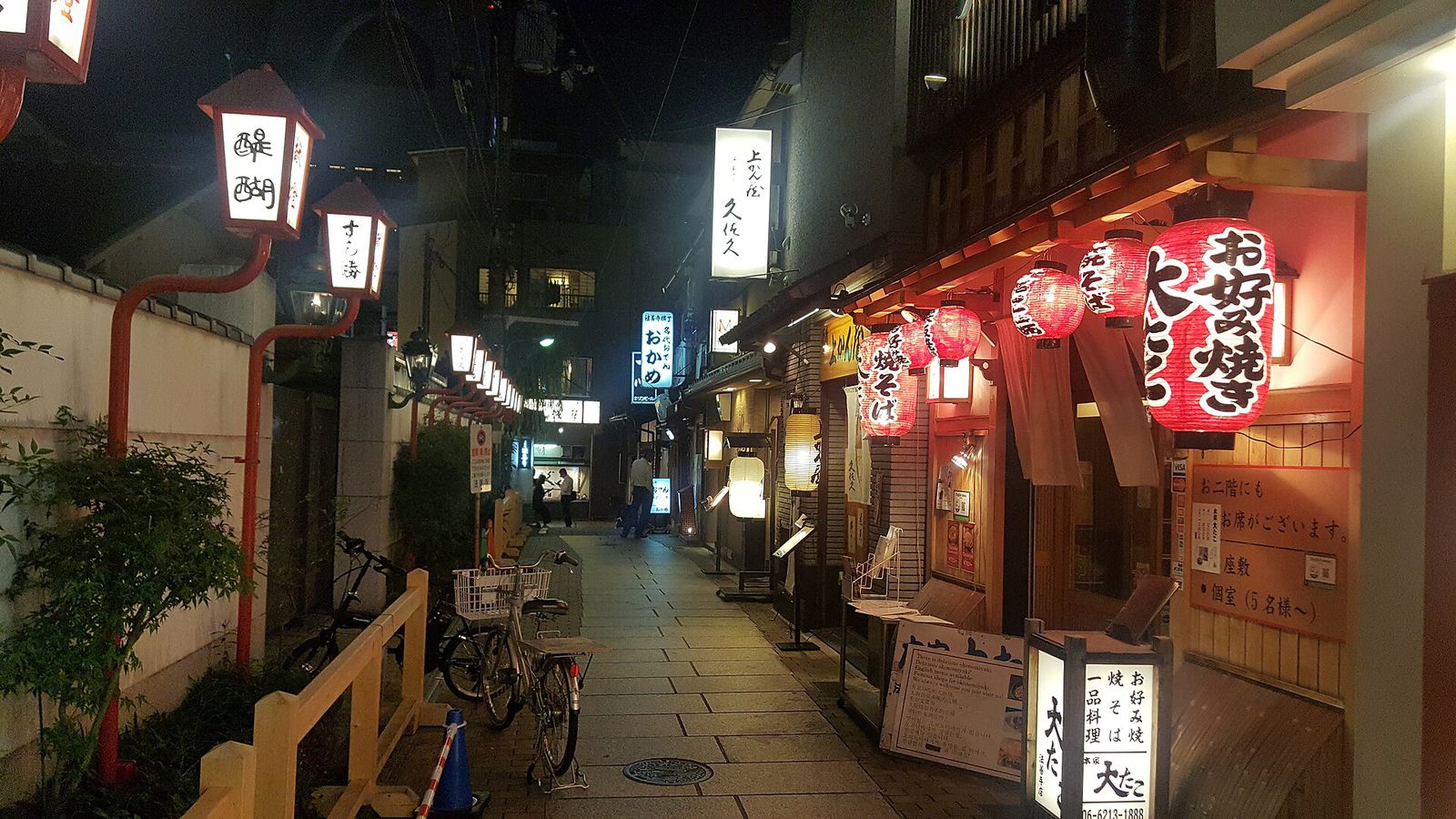
03Lanes & lanterns
Small, atmospheric lanes just off the main crowds. Arrive hungry, speak softly and look up at the details.
 04
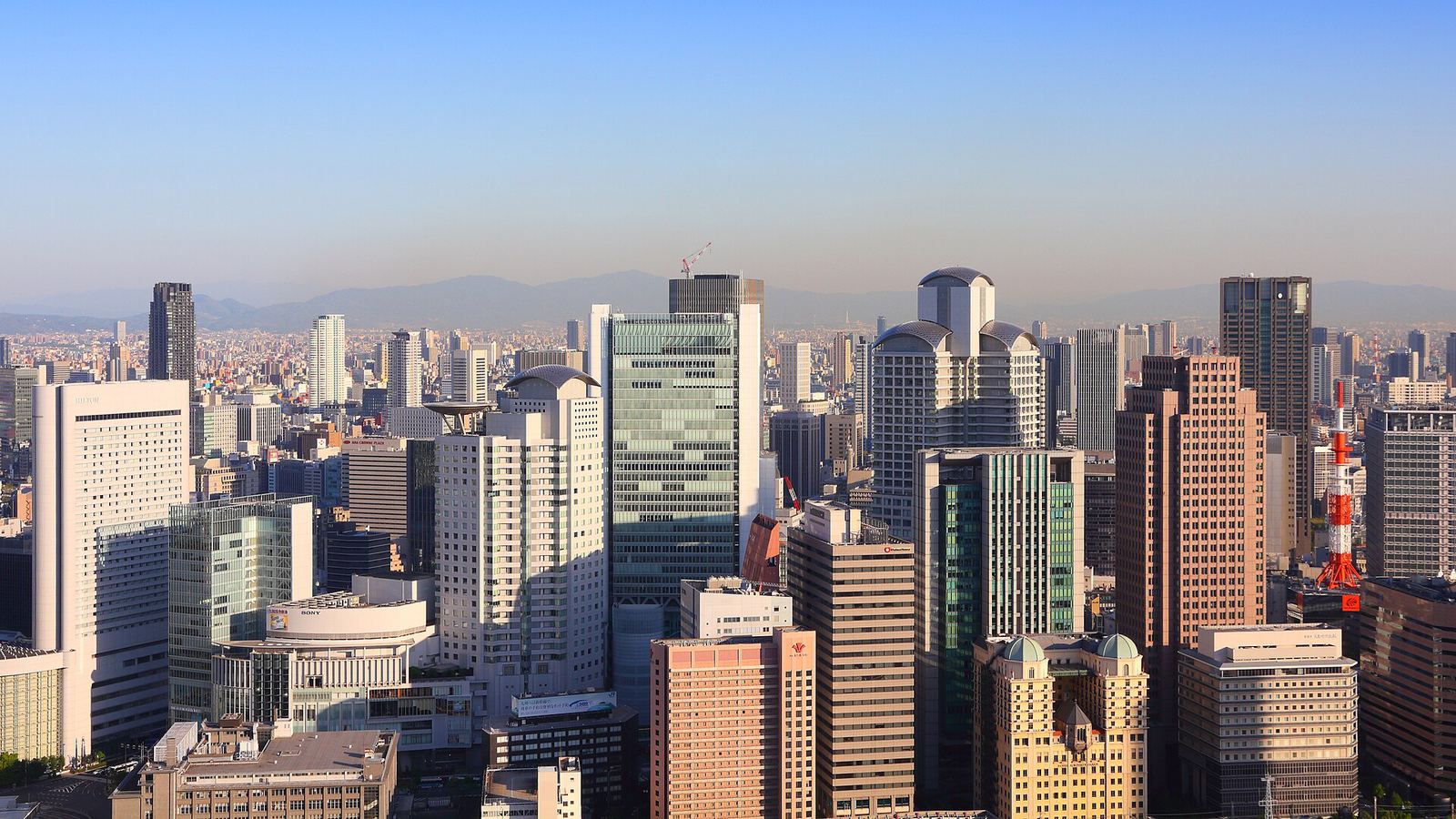
04Skyline & space
Big views, department stores and easy onward trains. A practical final stop before the airport.
The practical desk
Good travel information should lower the background noise. These are the few things worth deciding before you step out.
See the arrival guideUse an IC card for metro, private rail and most convenience stores. Save a screenshot of your last-train route before dinner.
Airport to city notesSet aside roughly ¥1,500–3,000 for a casual meal, then leave room for snacks. Small counters often prefer cash.
Download a simple budgetSummer is humid, winter evenings are sharper than expected and rain arrives without much ceremony. Comfortable shoes win every season.
Get the packing listA shrine courtyard, riverside bench or coffee bar gives the day a second wind. Osaka is more than its loudest streets.
Find a slower routeRight now
Expect warm evenings and bright days. Put the outdoor walk before noon, keep a small towel in your day bag and let the indoor museums carry the afternoon.
Read the latest field notesFrom the notebook
Practical observations, updated occasionally. No reservations, affiliate links or perfect itineraries.
31 Aug 2026 Travel rhythm
Three anchors are enough. Here is what to leave unscheduled, and why the best meal is often the one you did not search for.
Keep reading18 Aug 2026 Food
Takoyaki and okonomiyaki are a fine start. Add one market snack, one noodle bowl and a sweet you can eat while walking.
Keep reading02 Aug 2026 Transport
Which station to aim for, when to choose a reserved seat and the small signs that save a tired traveller ten minutes.
Read the arrival guideOffline shelf
Save a few lightweight files before you leave Wi-Fi. They are designed for a phone lock screen, a notes app or a quick print.
Good to know
Plans change. These basics usually hold up.
For a city-focused visit, usually not. An IC card and ordinary metro or private railway fares are often simpler. Consider a pass only after you know how many long-distance rides you will actually take.
Cards are common, but small stalls, older counters and some ticket machines still prefer cash. Keeping a few thousand yen in reserve is practical without carrying your whole budget.
Yes. Counter seats are normal, portions can be shared or small, and busy shops often make solo dining feel completely ordinary. Go a little earlier if you want a slower meal.
Pair one outdoor anchor with an indoor one: a market with a department store, a riverside walk with a museum, or a short shrine visit with a long lunch.