Quiet Osaka: three easy pauses when the city feels loud
The city does not become less interesting when you turn the volume down. These three detours fit around a central itinerary and give your eyes, feet and appetite a chance to reset.
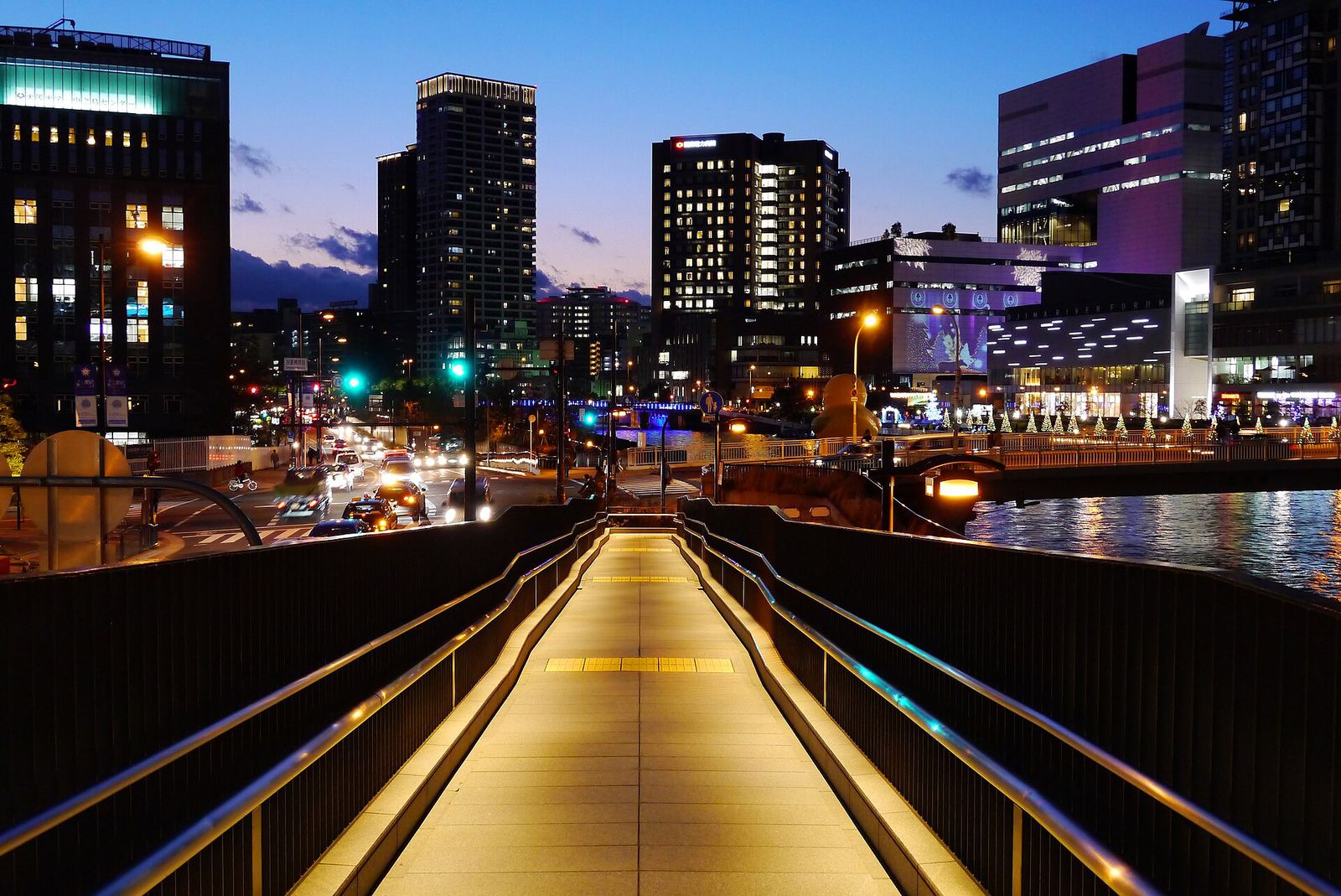
1. Follow the water at Nakanoshima
Nakanoshima sits between two rivers and feels deliberately different from the station districts around it. The paths are broad, the buildings have room around them and the bridges offer a series of small views rather than one big attraction. It is a good place to arrive with no objective beyond walking for twenty minutes.
Come in the late afternoon when the light starts to soften. Choose a riverside bench, a museum cafe or a short loop past the public gardens. If the weather changes, the surrounding cultural buildings give you an easy indoor option without sending you across town. This is less a destination than a useful breathing space.
- Allow 45–90 minutes, depending on the weather.
- Use the bridges as landmarks; the river keeps the route intuitive.
- Pair it with Umeda or the castle rather than a cross-city detour.
2. Take a slower train to Sumiyoshi
Sumiyoshi Taisha is an easy change of pace when the centre feels over-programmed. The approach is local and ordinary, which is part of the charm: shops, residential streets and a short walk before the shrine grounds open into shade and timber. You do not need to know every detail of the architecture to appreciate the shift in rhythm.
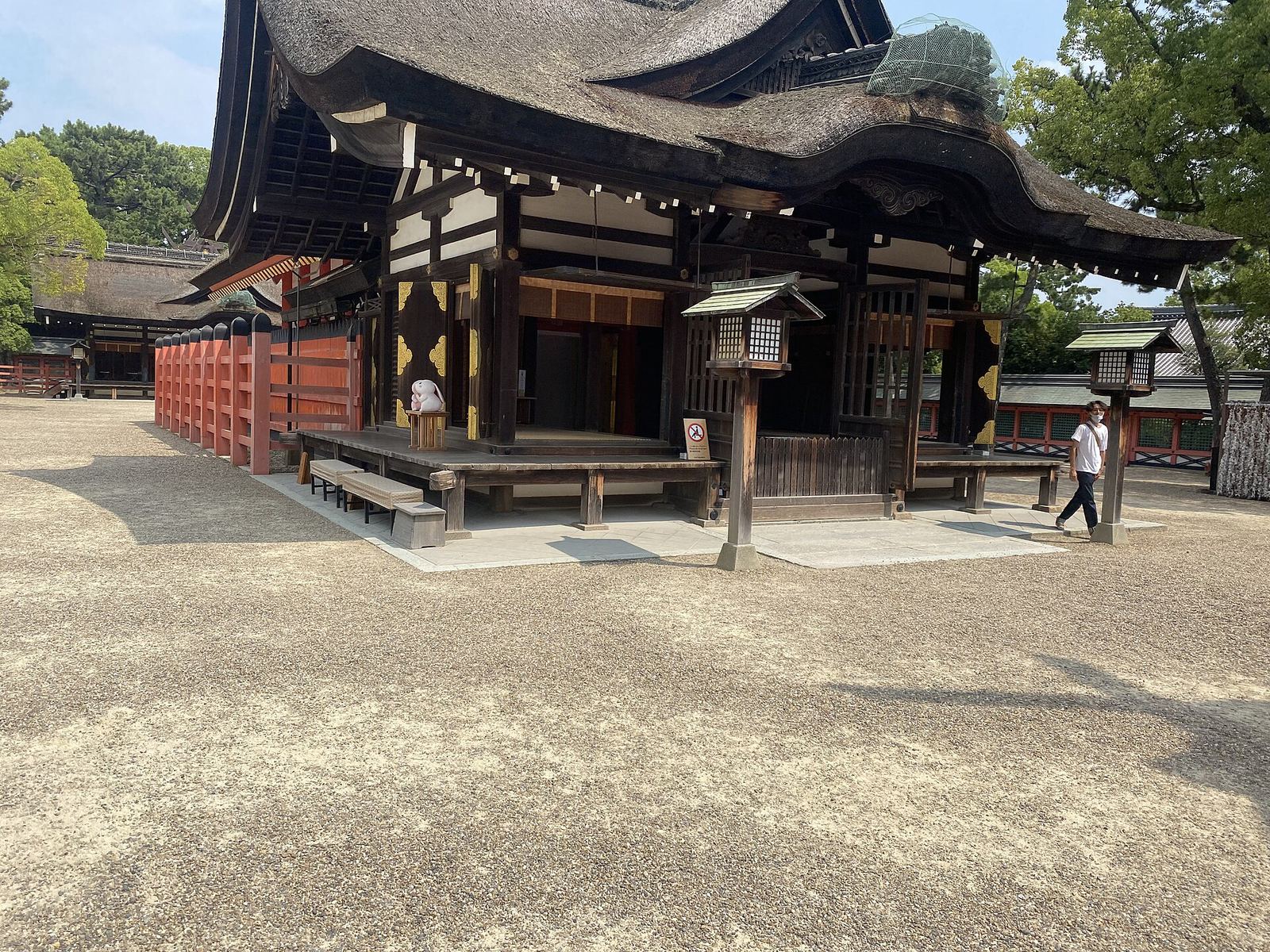
Keep the visit respectful and unhurried. Stand to one side when people are praying, avoid blocking the path for photographs and let the space be what it is. A short visit is enough; the value is in returning to the city with a calmer pace, not in ticking off every corner.
3. Find the small lanes behind the neon
Even in Namba, quiet is available if you stop walking toward the biggest sign. Hozenji Yokocho is a compact example: lanterns, narrow paving and small restaurants tucked just off the main flow. Go before the dinner rush if you want to look around, or arrive later and settle into the evening noise without trying to photograph every detail.
The best way through these lanes is gently. Keep your group close, make room for people who live and work there and treat the street as a neighbourhood rather than a backdrop. One shared plate, one drink and a slow walk back toward the canal can be a complete night.
Design a day with a lower middle
A useful Osaka itinerary has a high point, a low point and a transition between them. Put the busy market or landmark at one end, a quiet walk in the middle and dinner at the other. This simple shape keeps the day from becoming a relay race and makes room for the unexpected: a shop window, a shaded bench, a conversation you did not plan.
Try this pairing: castle in the morning, Nakanoshima in the afternoon, Hozenji after sunset. Three different volumes, one manageable part of the city.
Download the 48-hour starter route for a printable version with a built-in flex block.