Eating Osaka: build a good food day one plate at a time
The city’s famous dishes are a starting point, not a finish line. A better food day has a little market browsing, one proper sit-down meal and enough walking to make room for dessert.
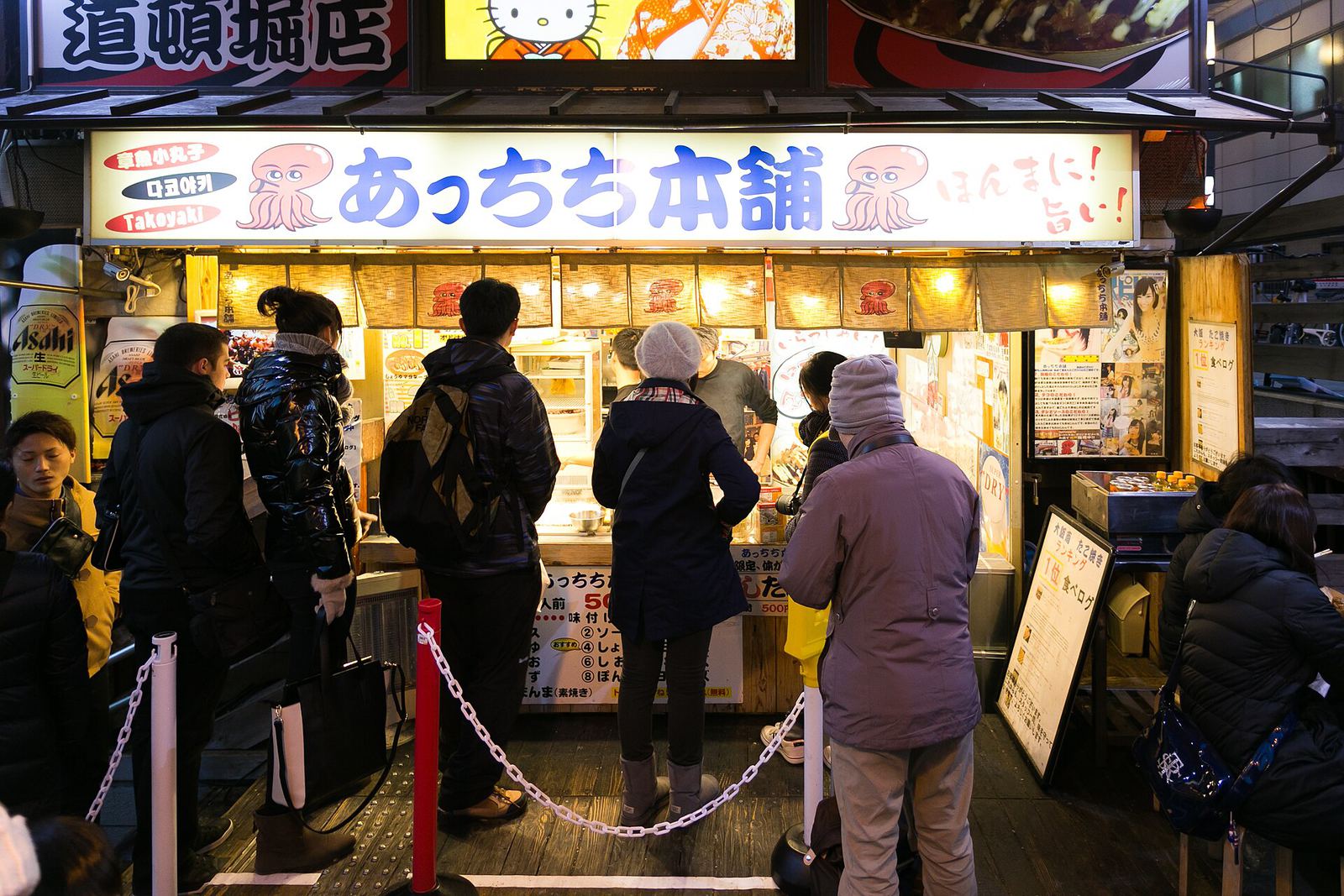
Begin at a market, but do not arrive starving
Kuromon Market is most useful as a lesson in rhythm. Come in the morning, walk one full stretch before buying anything and notice what is busy with local shoppers. Then choose one or two small tastes. A market is a place to compare, not a challenge to clear every stall.
Bring a small amount of cash and keep your hands free. Some vendors have limited seating, and the most considerate way to eat is usually close to the stall or in the area they indicate. Ask before photographing a person or a prepared dish, especially when a queue is moving.
- One savoury bite, one fruit or sweet, then a pause.
- Carry a reusable hand towel in warm weather.
- Follow the shop’s eating and waste instructions rather than assuming every stall works the same way.
Order the Osaka classics with less pressure
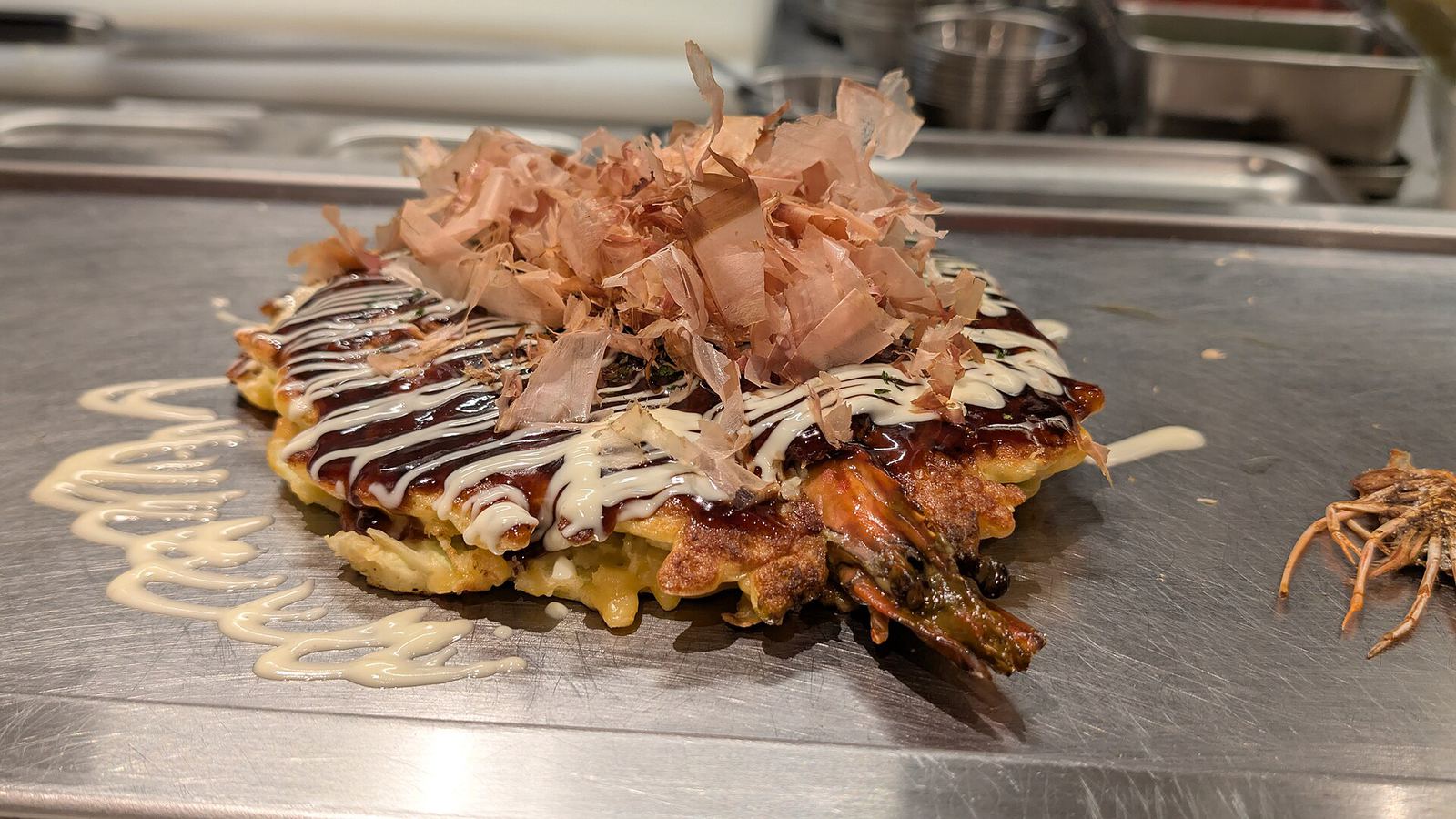
Takoyaki and okonomiyaki are easy to recognise, but the best first order is often smaller than expected. Share a plate if you can. The food arrives hot, and taking a few minutes between bites is part of the experience rather than a delay.
At an okonomiyaki counter, watch how the staff handles the grill and follow their lead. At a takoyaki stand, give the centre time to cool. The sauce, mayonnaise and bonito are generous; you do not need to add everything at once. Small choices keep the meal enjoyable and leave room for whatever you notice next.
Make Namba your evening tasting room
Dotonbori is the obvious picture, but the more comfortable food walk begins just outside its brightest stretch. Start near the canal, take the photograph you came for, then move one or two streets back. Hozenji Yokocho and the side lanes around Sennichimae have a different volume and make it easier to choose a counter by feel.
Look for three simple signals: a menu you can understand, a steady but not frantic queue and seats that match the kind of meal you want. A short wait is normal. A long wait is not automatically a better meal, especially when you are already tired. Osaka has enough good options to let one pass.
Add one dish you did not plan for
After the headline dishes, try one smaller local habit: a bowl of udon, a skewer at a kushikatsu counter, a grilled rice ball or a soft serve from a department-store basement. The point is not to collect names. It is to notice how the city eats on an ordinary day.
Good pacing: plan a savoury stop every three or four hours, drink water between them and keep one meal completely open.
A simple food-day template
- 09:00: market walk with one small breakfast-sized taste.
- 12:30: sit-down lunch, preferably somewhere with counter seats.
- 16:00: a sweet or coffee near the river, a park or a department store.
- 19:00: one shared plate in Namba or Shinsekai, then a slow walk home.
For a quick offline reminder, download the trip budget starter and leave a little space for the snack you did not know you wanted.